

All Resources
How to Drive Safely and Avoid Car Accidents in New Brunswick
On This Page
New Brunswick roads have turned deadly this spring. Since late May 2026, eight people have died in crashes across the province, and police are asking drivers to slow down before the busy summer travel season really gets going. New Brunswick already has one of the highest road fatality rates in the country, so learning to drive defensively here isn’t just good advice. It can save your life.
This guide walks through the most common causes of crashes in our province and the practical things you can do to keep yourself and your family safe behind the wheel.
What causes most fatal crashes in NB?
Police keep pointing to the same handful of factors in serious New Brunswick collisions.
No seatbelt. This is the biggest one, and also the simplest to fix. Of the 96 fatal collisions in RCMP jurisdiction in 2024, 41 involved someone who wasn’t buckled up.
Impaired driving. Alcohol or drugs played a role in 24 of those 96 fatal crashes, putting impairment right behind seatbelts as a leading factor.
Distracted driving. Fredericton police say distraction shows up again and again, because our brains just aren’t built to do two things at once at highway speed.
Risky moves and speed. Passing on rural two lane highways, driving the wrong way, and plain old speeding turn up over and over in the worst crashes.
And the trend isn’t encouraging. Fatal collisions in RCMP jurisdiction climbed about 18.5 percent from 2023 to 2024, so this isn’t a one off bad year.
Safe driving tips for New Brunswick roads
Most crashes are preventable. Here’s how to lower your risk every time you get in the car.
Buckle up, every trip and every seat. Seatbelts are the easiest way to walk away from a crash, yet they’re missing in a huge share of NB road deaths. Make sure everyone is belted before you pull out of the driveway.
Never drive impaired. If you’ve been drinking or using cannabis, get a ride. A taxi, a rideshare, a designated driver, or a quick phone call all beat the alternative. The province tightened its DUI laws last year, so impaired drivers are getting pulled off the road faster than they used to.
Put the phone away. Set your GPS and your music before you leave, then keep the phone out of reach so a text can’t pull your eyes off the road.
Drive for the conditions, not just the speed limit. Rain, fog, wildlife, and gravel shoulders are part of life on NB highways. Leave more room behind the car ahead and ease off the gas when visibility or grip drops.
Be patient about passing. A lot of rural crashes here happen during passing on two lane highways. Only pass when you’ve got a long, clear, legal stretch in front of you, and never on a hill or a curve.
Watch for people outside the car. Pedestrians, motorcyclists, cyclists, and ATV riders have all been involved in recent fatal crashes. Keep scanning the shoulders and intersections, especially at dusk and after dark.
Give yourself time in summer. More traffic, more tourists, and more construction zones mean more chances for something to go wrong. Leave a few minutes early so you’re not tempted to rush.
Report dangerous drivers. If you think someone is driving impaired, call 911. Police treat it as an emergency, and your call could genuinely save a life.
Driving in New Brunswick’s tougher conditions
Construction zones deserve extra caution this year. Expect sudden slowdowns and workers close to the road, and know that the province is targeting these areas for more enforcement.
On the highways and the Trans Canada, higher speeds leave you less time to react. Keep right except to pass, and never push through when you’re tired on a long drive.
And when winter comes back around, switch to proper winter tires, double your following distance, and slow down well before bridges and overpasses, since those freeze first.
What to do right after a car accident in New Brunswick
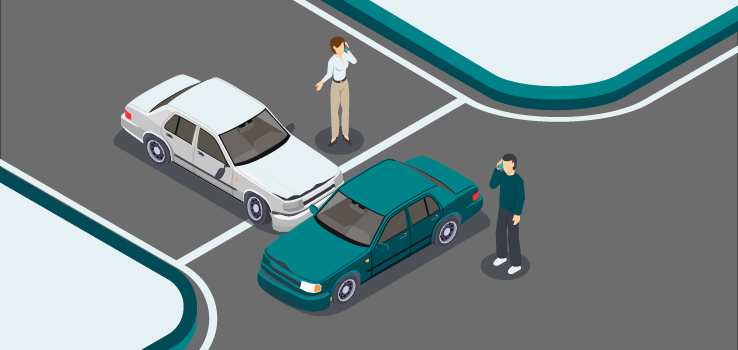
If you’re ever in a crash, a few simple steps protect both your safety and your legal rights.
- Check for injuries and call 911 if anyone is hurt or vehicles are blocking traffic.
- Move to a safe spot if the cars are drivable and it’s safe to do so.
- Exchange names, licence, insurance, and plate numbers with the other driver.
- Take photos of the vehicles, the road, and any injuries.
- Get contact details for anyone who saw what happened.
- See a doctor even if you feel okay, since some injuries show up hours or days later.
- Report the collision to police and your insurer.
If you were hurt in a crash that wasn’t your fault, you may be able to claim compensation for medical costs, lost income, and pain and suffering. Talking to a New Brunswick personal injury lawyer early helps protect that claim. See how our team can help after a car accident.
Drive safe, and know your rights
Most crashes in this province come down to choices we can control. Buckle up, stay sober, put the phone down, and slow for the conditions, and you’ll cut your risk dramatically on New Brunswick roads.
If the worst does happen and you’re injured in a collision that wasn’t your fault, MacGillivray Injury and Insurance Law is here to help New Brunswickers figure out their next steps. Contact us for a free consultation.